
The United States was founded on principles that emphasize equality, liberty, and the pursuit of happiness for all citizens. From Thomas Paine’s Common Sense to the Declaration of Independence, the founding vision was clear: a government accountable to the people, dedicated to protecting their rights, and committed to fostering a fair and just society. Common Sense 2.0 by John Birdwell explores how these founding principles provide a framework for understanding modern political divides, particularly between conservatism and progressivism.
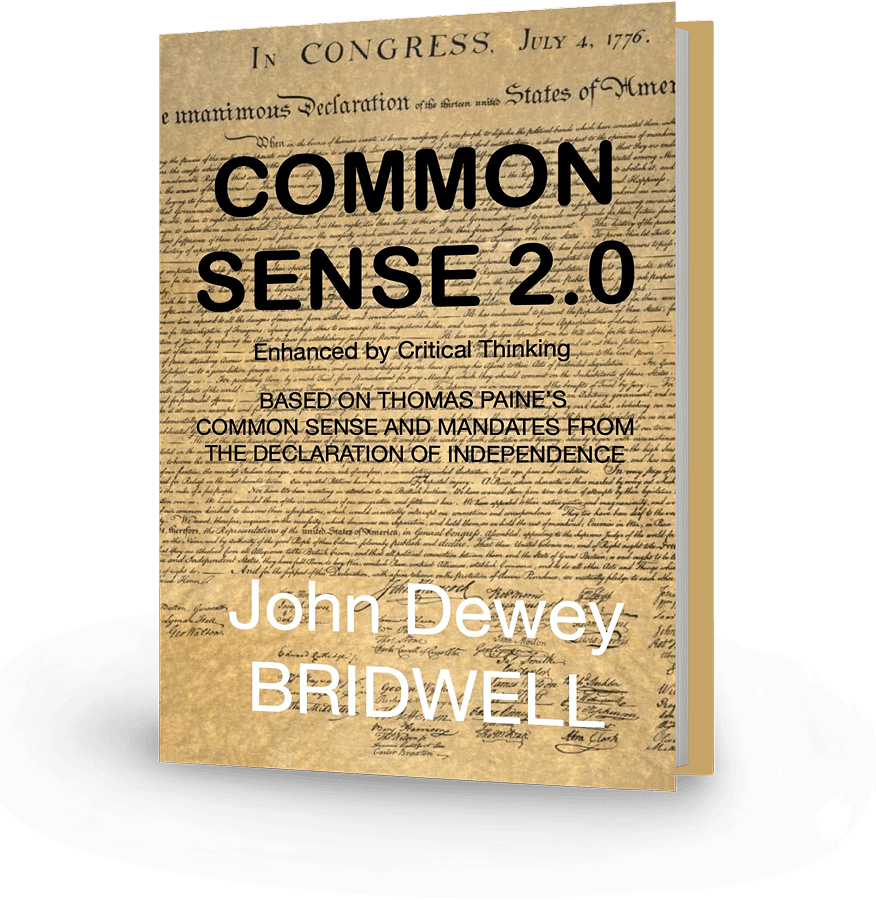
Progressivism aligns closely with the original mission of American democracy. Advocates of progressive policies seek to advance equality, ensure access to healthcare and education, protect the environment, and support social welfare programs. By focusing on government action to secure the rights to life, liberty, and the pursuit of happiness, progressives aim to fulfill the promises articulated by the nation’s founders. Common Sense 2.0 highlights how progressive taxation, social programs, and inclusivity initiatives are consistent with these historic mandates, bridging the gap between ideal and practice.
Conservatism, on the other hand, often emphasizes limited government intervention, individual responsibility, and the protection of private wealth. While these principles have a place in fostering economic freedom, the book argues that when taken to extremes, they can conflict with the foundational objectives of equality and collective well-being. Policies that reduce social safety nets, restrict access to healthcare, or resist civil rights advancements may inadvertently undermine the core tenets of American democracy.
The book presents a thoughtful analysis of how these political perspectives impact both the rights of individuals and the function of democracy itself. By comparing the intentions behind the founding documents with modern policy decisions, readers can see where alignment exists and where deviations threaten to erode foundational principles. Common Sense 2.0 emphasizes that understanding this contrast is essential for voters, policymakers, and citizens who seek to preserve the integrity of the American democratic system.
Furthermore, the book demonstrates that these ideological divides are not merely academic—they shape real-world outcomes in healthcare, education, environmental protection, and social justice. By examining historical examples and contemporary events, the book encourages readers to critically evaluate political choices in light of the nation’s founding mission.
Ultimately, Common Sense 2.0 positions the founding principles as a lens through which all political discourse should be assessed. It challenges Americans to consider whether current policies truly uphold the ideals of equality, liberty, and the pursuit of happiness, and whether they strengthen or weaken the democratic institutions designed to protect these rights. By doing so, the book provides a roadmap for thoughtful civic engagement and responsible governance.
For anyone interested in understanding the roots of modern political ideologies and their impact on democracy, Common Sense 2.0 offers a compelling and insightful guide, demonstrating that the lessons of the past are crucial to shaping a just and equitable future.
Discover this book now, available on Amazon: https://www.amazon.com/dp/B0GNCKMC5H/