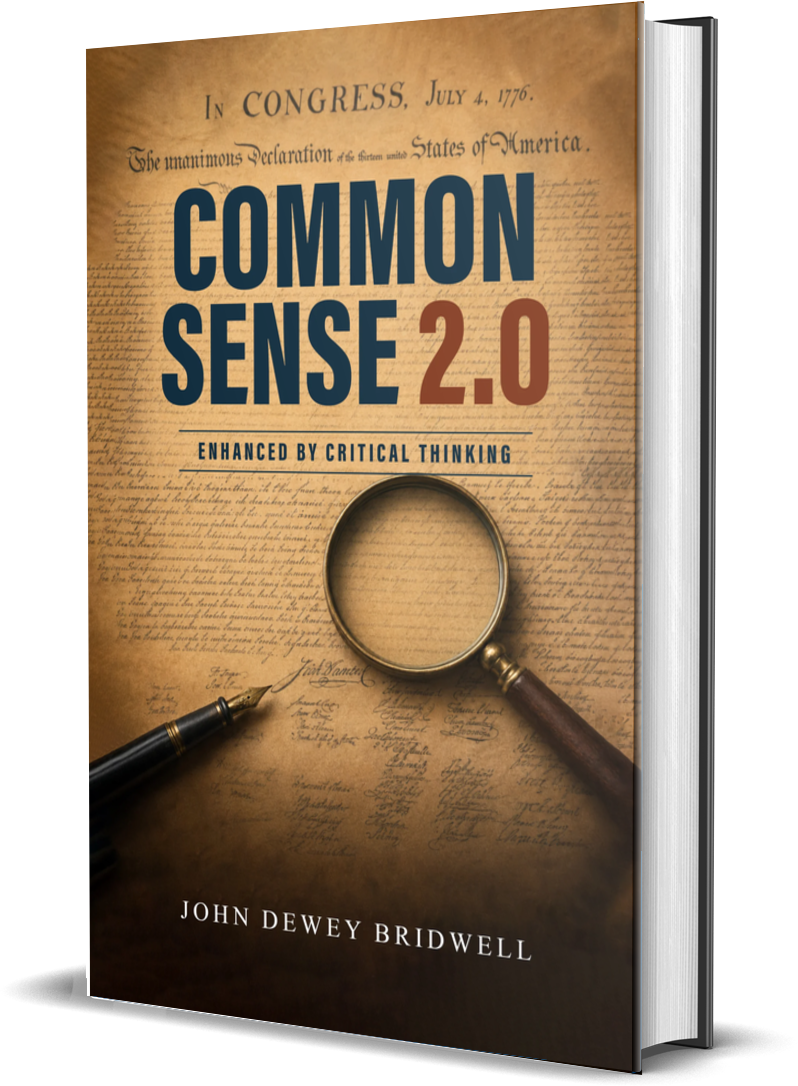
The Pursuit of Happiness sounds simple. Everyone should be free to seek a satisfying life.
But what does that freedom require?
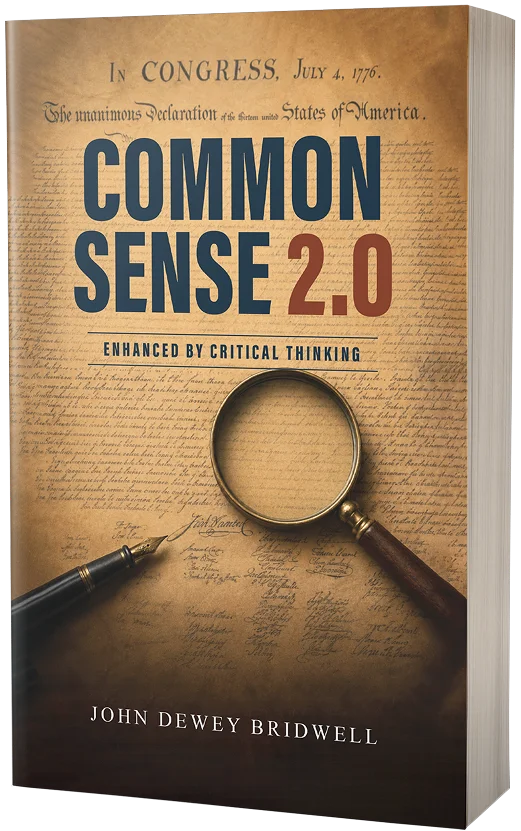
Common Sense 2.0 examines the Pursuit of Happiness as more than the freedom to chase personal ambitions. It asks readers to consider the conditions people need before that pursuit becomes genuinely possible.
A person may technically be free, but freedom alone does not guarantee opportunity. Someone without adequate health care, housing, education, employment, legal representation, or basic economic security may face serious barriers to building the life they want.
This makes the Pursuit of Happiness a much larger question about the relationship between individual rights and government responsibility.
The book connects this right with practical concerns such as education, health care, housing, employment, social security, cultural development, environmental protection, and support for people who cannot provide adequately for themselves.
That does not mean government can provide happiness.
Happiness is personal. Different people value different careers, relationships, beliefs, communities, and ways of living. Government cannot decide what should make an individual happy. It can, however, influence whether people have reasonable opportunities to pursue their own goals.
This distinction is important.
The Pursuit of Happiness is also connected to Equality, Life, and Liberty. These principles cannot always be separated neatly. A lack of equality can restrict opportunity. Threats to life and security can make personal advancement difficult. Liberty becomes less meaningful when people lack realistic choices.
Common Sense 2.0 therefore asks readers to think about these founding principles together rather than treating each one as an isolated promise.
The book also raises a difficult political question: If the Declaration of Independence identifies the Pursuit of Happiness as a fundamental right, what responsibility does government have to help protect the conditions that make its pursuit possible?
That question leads directly to the book’s concept of the American Democratic Mission.
Under this framework, government should be judged not only by its ability to preserve order, but also by how effectively it protects the fundamental rights of the people it serves.
More than two centuries after the Declaration of Independence, the Pursuit of Happiness remains an unfinished discussion.
Common Sense 2.0 invites readers to reconsider this familiar phrase and discover how much political, economic, and social responsibility may be contained within four seemingly simple words.
Read the book on Amazon: https://a.co/d/092tTEho